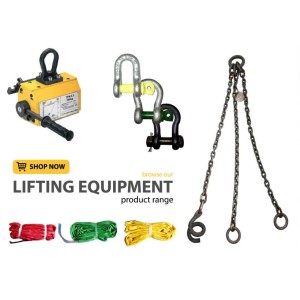
Lifting requirements
in steel and fabrication workshops can impose some of the harshest conditions
on lifting gear. With the elements of heavy loads, sharp edges, and mechanical
shock which are all constantly present, careful consideration needs to be taken.
Sharp edges, mechanical shock, and corrosive conditions are just some of the
reasons why the wrong lifting solution can harm productivity or become a safety
hazard.
Selecting the right lifting equipment can bring vast improvements in performance. However, several factors have to be considered.
While simple picking
and placing of goods from a warehouse storage or pallet lifting are pretty easy
tasks for most lifting equipment types, lifting and moving metal profiles,
sheets or structure sections require special considerations.
First and foremost,
the abundance of sharp edges becomes a factor that demands special attention.
While slings made from synthetic webbing (a flat, woven fabric strap) will
suffice in most cases, such equipment will deteriorate easily when exposed to
heat and abrasions caused by sharp edges of metallic profiles.
The damage is not
always visible, but repeatedly stressing the same spot weakens the load bearing
fibres of the synthetic webbing sling. That is why regular inspection becomes
crucial. And certainly in our experience, that is one of the main reasons for
early sling replacement.
Adding heat exposure, sparks and weld spatter into the mix; creates the situation where selection of proper lifting equipment becomes essential.
Grade 8 and Grade 10
chain slings are a strong choice for steel and fabrication workshops. This is
mainly due to the high resistance to heat, abrasion and cuts compared to other
sling types. Lifting chains are tough enough to withstand the elements of fabrication
workshops. And their load capacity does not drop no matter how often they
contact abrasive surfaces.
Multi-leg chain slings are also adjustable, making them well suited for lifting structural sections or fabricated items from several pick points. Inspection for possible damage of chain links is required nevertheless.
Long lengths of steel such as roof trusses, column lengths or tubes are well suited to wire rope slings; which offer the flexibility and configuration options needed for these loads. Whilst lifting long sections of steel, it is advisable to use spreader beams instead of slinging them directly. This reduces pressure and distributes the load of the item.
Horizontally stacked
flat plate is the most difficult type of load due to restricted rigging
options. It is virtually impossible to thread the slings between plate pieces
of the pile and dangerous besides that.
When slings cannot be
threaded through the pile, specially designed plate clamps grip the steel by
its edges are used to lift and move the plate. However, it is crucial that the
plate clamp will suit the thickness of the plate. Some plate lifting clamps are
made for lifting only one vertical plate while others are capable of handling
plate in horizontal orientation. There also exists the modern plate clamps that
are universal and can handle plate in both orientations.
For high-volume steel plate lifting, a vacuum lifting attachment is the best option, providing quick and efficient handling as long as the plate surface is clean and smooth.
Shackles are very
useful in steel and fabrication workshops. These have to be selected correctly
according to the load being lifted and properly pinned – it is a common mistake
in the workshop to change the pin from one shackle to another. We recommend
labeling shackle sets to avoid this mistake.
When lifting a fabricated assembly with tapped holes, swivel hoist rings are a better choice than eye bolts. Swivel hoist rings rotate according to the direction of the lifting force, so they provide full rated capacity even when loaded at an angle. Eye bolts, on the other hand, will significantly lose capacity under the same conditions.
Steel and fabrication
workshop is one of the sectors where proper consideration to lifting equipment
specification makes a huge difference. Especially to both the safety and
effectiveness of the process. Our experience shows that operations that go
smoothly are the ones where correct sling types, connection hardware and
lifting attachments were chosen based on the particular loads and conditions of
the workshop.
If you want to review
your current lifting equipment, we can certainly help. Visit our catalogue of
chain slings, wire rope slings, shackles and other equipment, or contact us and
we will provide you with the necessary advice.