Crane ropes are the lifeblood of the crane industry. Without them, nothing moves, nothing lifts, and material handling comes to a stop. Understanding the different types of crane ropes, and the different types of cranes that rely on them, is essential when purchasing new or replacement wire ropes.
POA
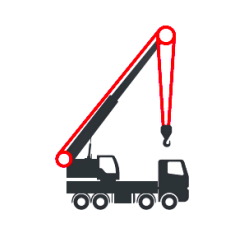
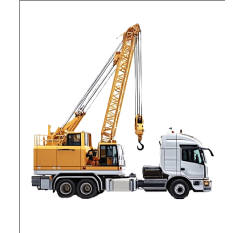
Mobile Crane Rope This type of mobile crane may use one or more wire ropes, ty..
POA
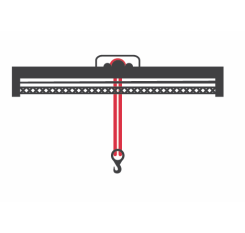
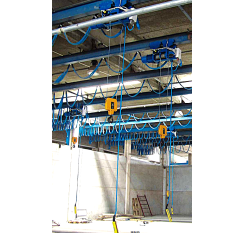
What do Wire Ropes on an Overhead Crane Do? When it comes to overhead cranes ..
POA
Types of Tower Crane Ropes Wire ropes come in a vast array of constructions a..
POA
What is a Piling Crane? A piling crane is similar to a mobile lattice boom cra..


POA
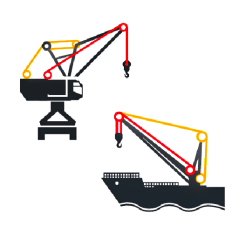
What is a Ship to Shore Container Crane? A container crane, sometimes called ..
POA
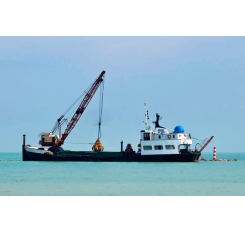
About Harbour and Ship Cranes A harbour crane may sometimes be referred to as ..
POA
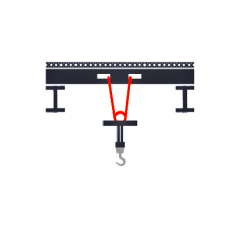
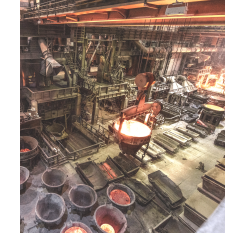
Steel Mill Crane Ropes Cranes are used for a number of different tasks in a st..
POA
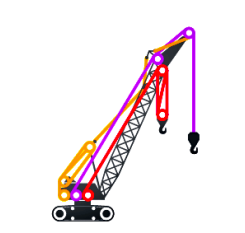
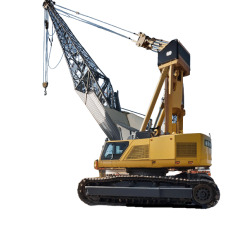
What is a Mobile Lattice Boom Crane? This type of crane sits on a vehicle bas..

Crane ropes need to endure relentless cyclic loading, abrasion over sheaves and drums, crushing forces on multi-layer drum systems, and sometimes exposure to harsh environments ranging from coastal salt air to the intense heat of a steel mill, depending on the type of crane and where it is used.
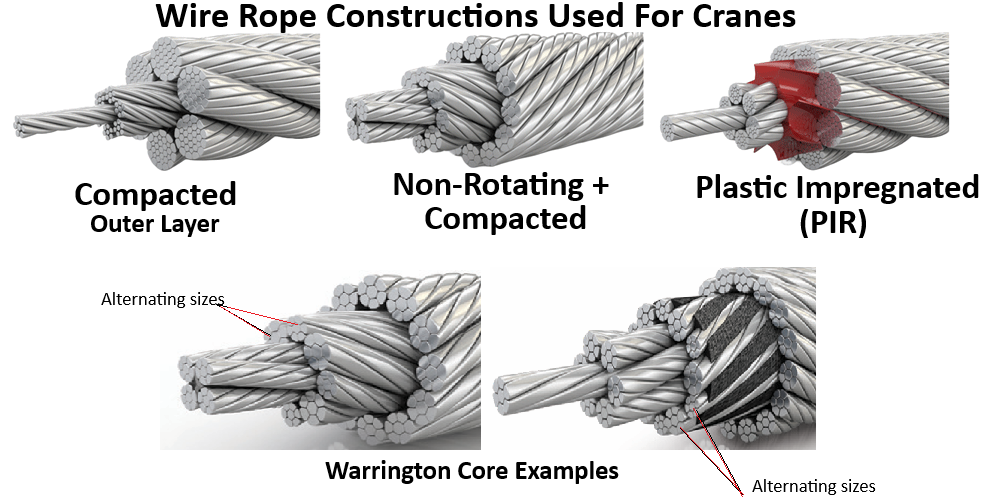
For this reason most crane ropes have a compacted construction, where the outer wires are drawn through a die to flatten them slightly, increasing the cross-sectional area and reduces the inner voids. The result is a denser, smoother rope that resists wear, beds in better on drums, and carries higher loads when compared to the same diameter of a non-compacted rope of the same construction.
Another characteristic of many crane ropes is that they are non-rotating, or rotation-resistant. When a rope is loaded, the strands and wires naturally want to untwist, causing the load to spin which can be dangerous. Non-rotating ropes use opposite lay directions in inner and outer layers, so that the torque from one cancels out the other. The result is a wire rope that remains stable under load.
Cranes come in many different formats, some use a single rope whilst others may use 3 or more simultaneously.
Let us now briefly look at the various types and the ropes they use; For detailed information on each please refer to the individual product pages above.
Overhead Cranes or bridge cranes are commonly found in factories and warehouses, manufacturing and engineering plants. Most overhead cranes will utilise just one main rope and will be on the lifting hoist.
Mobile Cranes are the type fitted on the back of a lorry. Some will use 1 rope some will use 2, one to raise and lower the boom (boom rope) and one to do the lifting (hoist rope).
Container Cranes are used in all large ports for loading and offloading containers on a ship. Trolley ropes, main hoist rope and boom ropes are typical on this type of crane.
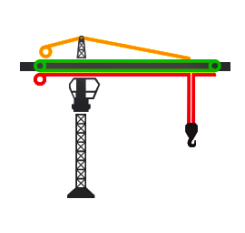
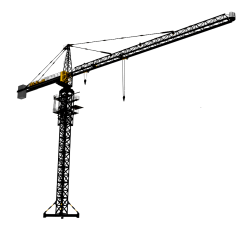
Tower Cranes are typically seen on large, high rise construction projects. Depending on the crane there will be multiple ropes involved including pendant rope, derricking (luffing) rope, trolley rope, and main hoist rope.
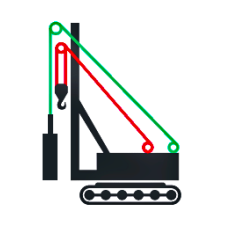
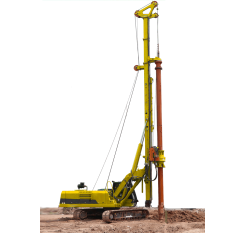
Piling Cranes are also used on construction sites to drive sheeting piles deep into the ground. Multiple ropes will be needed here including boom, aux, main and winch ropes.
Ship Cranes are permanent cranes fitted on large ships, typically used for loading and off loading as well as offshore construction tasks. Auxiliary hoist rope (AUX),hoist rope and boom ropes are commonplace on these cranes.
Dockside Cranes work in a similar fashion to ship cranes although they are fixed to the side of ports and harbour areas.
Steel Mill / Ladle Cranes are used in foundries where molten metals are handled and as feeding systems in rolling mills for billet steel handling. There are different design for these types of cranes so some may need a single rope and others will use multiple.
Mobile Lattice Boom Cranes are huge vehicles typically having caterpillar tracks with a turntable mounted crane on the back. Used in rough terrain areas such as quarries, forests and more. They have very specific rope requirements and will use multiple ropes.
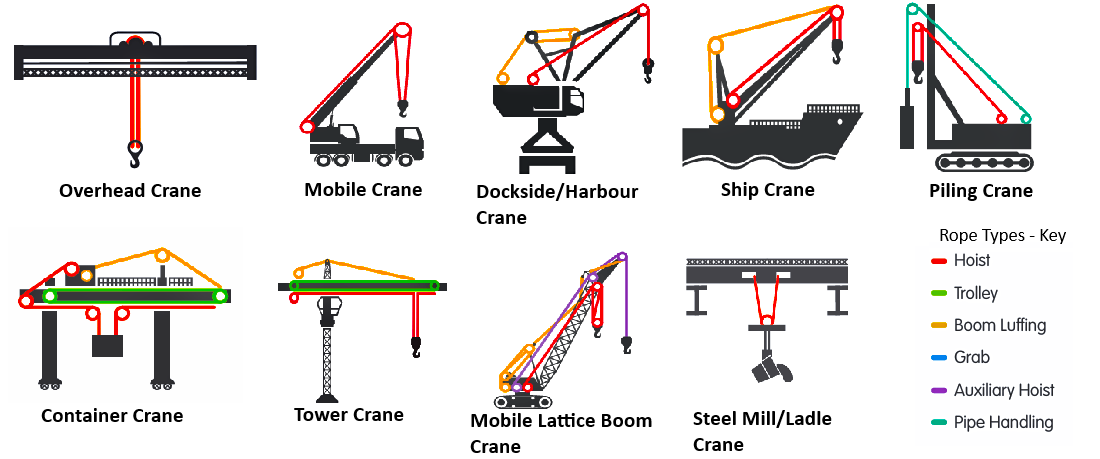
Ropes used on cranes have different names depending on where they are used, here are the basics;
Hoist Rope / Main Rope; these are the main ropes on any crane system and refer to the rope that out the actual lifting of the heaviest loads.
Aux ropes; these auxiliary are the secondary ropes typically having a hook to help with the lifting of lighter loads.
Grab ropes; typically used for pulling in loads such as grab buckets and work alongside the main ropes.
Boom/Luffing Ropes; these refer to ropes operating the vertical movement, controlling the boom height/angle.
Trolley ropes help to pull crab units across jibs or booms, typically seen on large tower cranes.
No rope lasts forever. Regular inspection is not optional, it is a legal and safety requirement under lifting regulations. Checks for broken wires, corrosion, deformation, and loss of diameter should be completed frequently with thorough inspections required on a set regular basis. Lubrication, both factory-applied and maintained in service, is critical to rope longevity. With the right rope for the application, properly maintained and inspected, a crane rope will give reliable service through hundreds of thousands of cycles before it needs replacement.