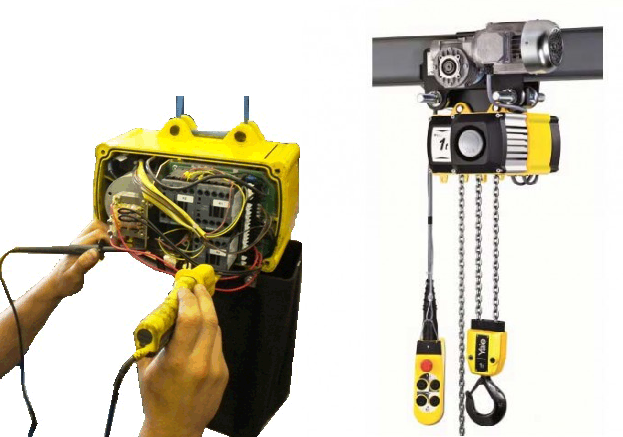
We recently had a new customer from the food industry contact us about a quotation for some new Yale electric hoists with power drive trolley systems as theirs had broken down. After much discussion we told the customer that it was possible the hoists could be repaired for a substantially lower cost– they didn't know this was a possibility! They had previously been scrapping the hoists without checking repair possibilities, thus, spending thousands on replacements.
This case study includes:
The customers issues and what they required.
Explore the possibilities, highlighting the pros and cons of all options.
Discuss the customers decision.
Explain the work undertaken.
Summarise the outcome.
Our customer informed us that the hoists were used within the food industry to lift and move bulk produce. They had two Yale hoists which had recently stopped working but they were not very old. After some initial questioning and discussions we found out that the hoists had been jet washed for a deep clean and we assumed this was the problem – causing the electric system to fail. Production in the main facility had stopped which was causing major issues.
Quick Stats:
Equipment: 2 x 2 tonne Yale electric hoists for potential repair
Age: 1 AT 3 years old , 1 at 6 years old
Issue: both hoists not working at all.
Recommendation: Send in for inspection and possible repair or replacement if not feasible.
The hoists were
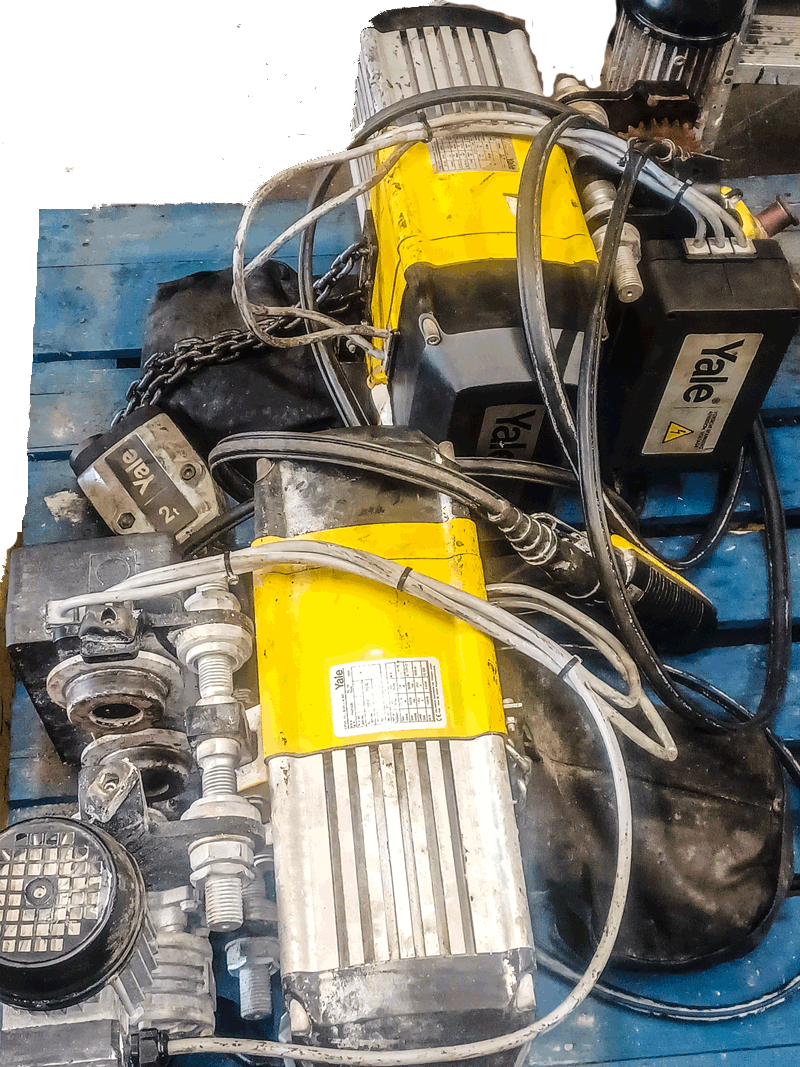
stripped down by our engineers to assess each component for issues.
As suspected water had seeped into the electrical panel rendering it
useless.
Some elements were
showing the beginnings of rust forming too, again due to being jet
washed! Although these hoists are relatively protected from moisture
they can not handle the pressure of a jet wash.
It was also noted that
the buffers on the bottom hook block were disintegrating and would
not provide the necessary protection during use.
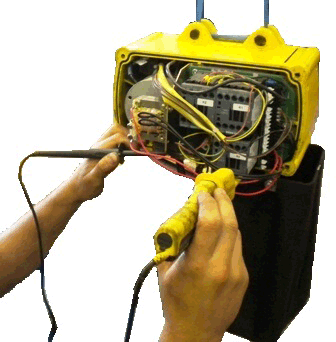
The engineers confirmed that both hoists and trolleys could be cleaned of any rust deposits and re-greased if and where necessary. The bottom block buffers could be replaced with new ones too.
The key electrical panel in both hoists could be replaced with a new one and re-wired in. The cross travel electrical panel on one of the power drive trolleys would also need replacing.
Full testing will need to be carried out on repaired hoists and trolleys to ensure they are working correctly and are safe to operate with certification provides to say so for good record keeping.
For this type of equipment; industrial in nature, it is common to use the 50% rule as a rough guide. This means that if the total repair cost exceeds 50% of a complete new unit or if the equipment is nearing the end of its lifecycle (around 70% or more) Then a replacement would normally be recommended over repair. We would then give the option for both repair and a new replacement.
Pros; more cost effective with lower upfront costs; typically a quicker turnaround if the parts required are in stock.
Cons; Other components may fail sooner than the new repaired ones; no warranty on non-repaired components.
Cost; £££
Pros; Full guarantee on all elements subject to manufacturers warranty guidelines; More modern equipment with potentially newer tech and energy efficiency.
Cons; Higher initial cost; potential longer lead time meaning longer work downtime.
Cost; ££££
After we provided these options and deliberation, the customer decided to go down the repair route in this case, based on being much more cost effective and the relatively young age of the hoists.
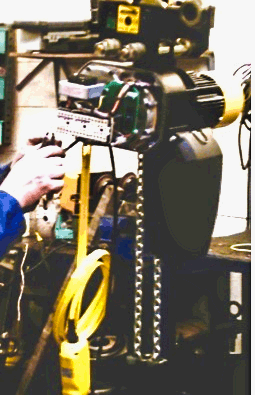
Whilst waiting for the spare parts the hoist was cleaned up internally somewhat. Once received the new parts were installed; the electrical control panels on both hoists and cross travel element in one of the trolleys. The buffers were also replaced with new ones.
Once the hoists and trolleys were put back together they were put through a series of tests to ensure they operated correctly and ran smoothly. Load testing completed the repair process it compile the certification in accordance to LOLER regulations. Our engineers are highly experienced and have LOLER accredited training certificates.
This type of repair would typically be completed within a working day once replacement parts have been obtained.
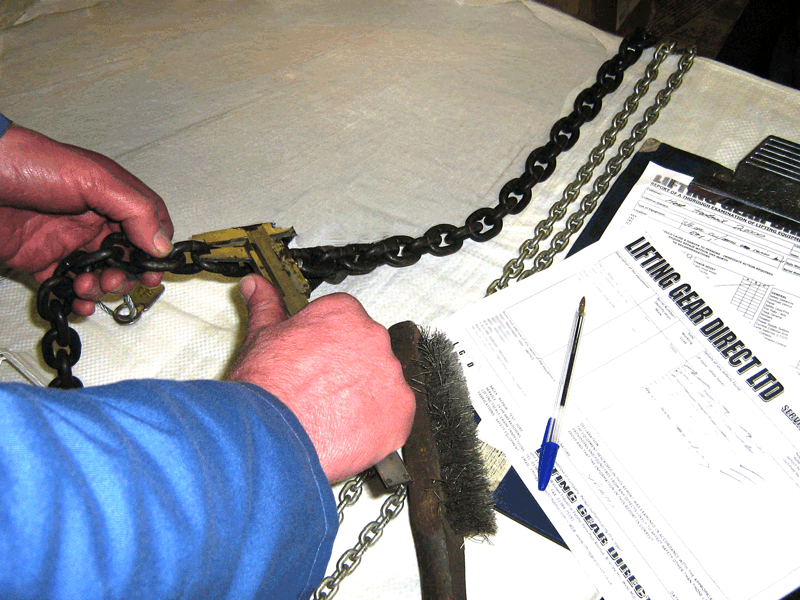
The customer was really happy with the complete process of having his hoists repaired in a way to minimise his downtime and especially to keep final costs to a minimum. The fact that they were thoroughly tested and re-certified was an unexpected bonus. In fact they actually ordered an additional brand new Yale electric hoist and trolley system to further enhance their produce handling set up.
No two situations are the same so each will need individual assessment to determine which is the best option. Typically repairs are cheaper and quicker but there are no guarantees so get the professionals to check over your lifting equipment to determine its issues before you make the final choice – replace or repair! Lifting Gear Direct are always on hand to discuss any issues you are having with powered lifting hoists across all brands.